 Certain mental health conditions may be associated with the use of buy now, pay later (BNPL) loans, finds new research published Dec. 12 in JAMA Health Forum.
Using a nationally representative survey of 2,121 U.S. adults fielded from March to April 2024, researchers at the Johns Hopkins Bloomberg School of Public Health, de Beaumont Foundation, and the School of Public Health at Washington University in St. Louis found that adults with depression, anxiety, and/or post-traumatic stress were more likely to report using BNPL loans than comparable adults without these mental health symptoms. The findings were based on data from the Cumulative Life Stressors Impact on Mental Health and Well-being (CLIMB) study, which measures trends in mental health among U.S. adults to inform policy and public health.
Buy Now, Pay Later Use Reflects Link Between Mental and Financial Health
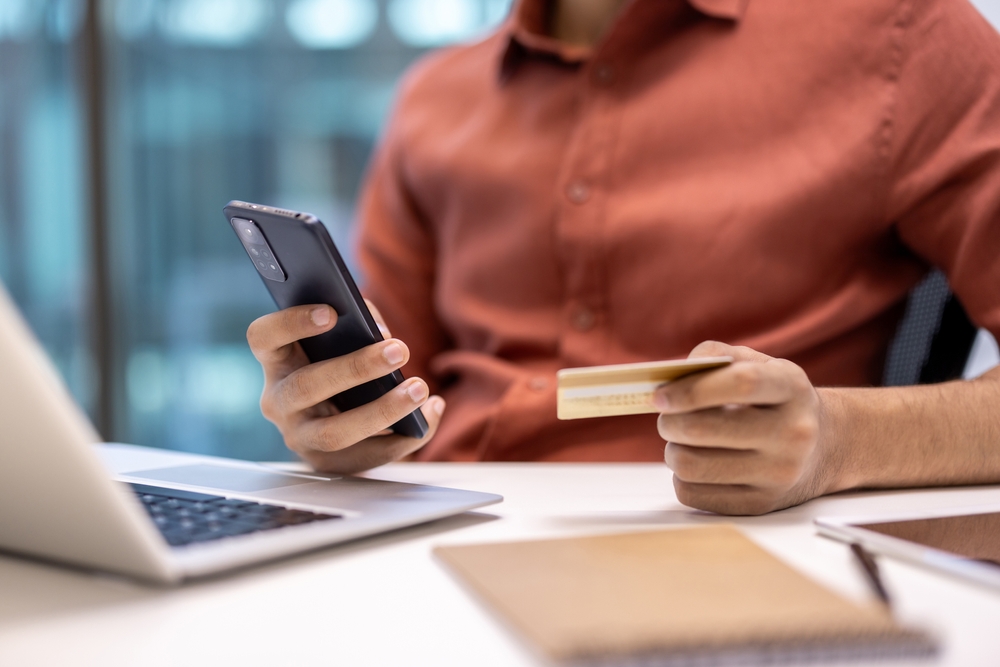
BNPL companies provide short-term interest-free loans to consumers, typically paid over four installments. These loans are highly accessible and increasingly popular, with over 1 million daily BNPL loan applications in 2022, according to data from the Consumer Finance Protection Bureau (CFPB). However, those who use BNPL services are more likely to have subprime or deep subprime credit scores, lower incomes, less savings, and have declared bankruptcy in the past year. Research from the CFPB also suggests that the BNPL business model may increase unplanned purchases and overconsumption.
The new study highlights the cyclical relationship between mental health and finances — people with fewer financial assets have worse mental health, and those struggling with mental health have fewer assets due to medical expenses, absenteeism, and risky financial decision making.
Survey participants reporting depression, anxiety, and/or post-traumatic stress may have more precarious financial situations that compel them to use BNPL loans. It is also possible that BNPL loans are a useful, lower-risk alternative to high-interest credit cards for credit-constrained consumers. These loans are risky if they are not repaid on time or if people lose track of how many loans they owe across vendors; a greater risk lies in accumulating too much debt and engaging in impulsive purchase behavior. These patterns can strain people’s ability to meet other financial obligations, including accessing medical care.
Protecting Consumers’ Financial and Mental Well-Being
If PayPal’s 2025 Holiday Shopping Survey indicates what’s to come, about half of consumers plan to use BNPL to finance purchases this holiday season. And the business model continues to grow: While BNPL loans were initially tied to durable goods such as clothing or household items, these loans now extend to consumable goods like food, potentially encouraging unsustainable debt loads.
BNPL loans are here to stay. These findings underscore the need for policies, education, and consumer protections that recognize how financial standing connects to mental health as the BNPL model becomes more accessible and widespread.
The Cumulative Life Stressors Impact on Mental Health and Well-being (CLIMB) study is a nationally representative, longitudinal survey conducted through AmeriSpeak Panel managed through NORC at the University of Chicago. This study was supported in part by the de Beaumont Foundation and a Johns Hopkins Nexus Award (PI: Ettman).